

Discover the Historic Castles of Northern Portugal
Discover the Historic Castles of
Northern Portugal
- September 4, 2026
- Culture

Explore the historic castles of Northern Portugal, from medieval fortresses in Guimarães to the distinctive architecture of Castelo Dona Chica near Braga.
Northern Portugal is a region where history can be discovered in stone. Across its towns, valleys, and hilltops, historic castles and fortified landmarks tell stories of medieval kingdoms, territorial conflicts, architectural change, and the formation of Portugal as a nation.
From the imposing walls of Guimarães Castle to the distinctive architecture of Castelo Dona Chica near Braga, the region offers a fascinating variety of historic sites to explore.
While some castles were built primarily for defense, others reflect changing ideas about architecture, residence, and heritage. Together, they provide an insight into the many layers of Northern Portugal’s history.
Exploring Northern Portugal Through Its Historic Architecture
Northern Portugal is particularly rich in historic architecture. Medieval towns, churches, manor houses, fortifications, and castles can be found throughout the region, reflecting centuries of political and cultural development.
Braga and Guimarães are among the most interesting destinations for visitors interested in architectural heritage. Both cities and their surrounding areas offer opportunities to discover buildings connected to different periods of Portuguese history.
Castles are especially valuable because their architecture often reflects the circumstances in which they were built. Their location, materials, walls, towers, and entrances were shaped by the practical needs of the time, while later renovations introduced new architectural influences.
What Makes Portuguese Castle Architecture Unique?
The castles of Portugal vary considerably in appearance, but many share architectural features developed around defense and strategic positioning.
Their construction was influenced by geography, military requirements, available materials, and the political circumstances of different periods.
Defensive Features of Traditional Castles
Many medieval castles in Northern Portugal were constructed using local granite, a material particularly suited to the region and capable of creating strong, durable structures.
Common features include:
- Thick stone walls designed to protect the settlement or fortress
- Towers positioned to improve visibility and defense
- Battlements and fortified entrances
- Elevated locations overlooking surrounding territory
- Internal courtyards and defensive structures
Although these elements were originally functional, they have also become defining characteristics of the historic landscapes found throughout Northern Portugal.
Architectural Styles That Shaped Northern Portugal
The architecture of Portuguese castles changed over time. As military techniques, political circumstances, and artistic movements evolved, historic structures were expanded, modified, or restored.
Several architectural influences can be seen across the region.
Romanesque Beginnings
Romanesque architecture played an important role in the development of early medieval structures in Portugal.
Buildings influenced by this style generally emphasised strength and simplicity. Typical characteristics include heavy stone construction, rounded arches, thick walls, and relatively small openings.
These features were well suited to a period when defense and protection were among the primary considerations in fortress design.
The Rise of Gothic Architecture
Gothic influences introduced a different architectural language to Portuguese buildings.
Pointed arches, greater verticality, and more elaborate stone details became increasingly visible. In defensive architecture, these developments could be combined with existing fortress structures to create buildings that were both functional and visually imposing.
Gothic architecture is particularly relevant when exploring some of Northern Portugal’s most important medieval landmarks.
From Manueline Detail to Romantic Revival
Later periods introduced additional architectural influences.
Manueline architecture, which developed during Portugal’s Age of Discovery, is known for highly decorative details and motifs associated with Portugal’s maritime history.
Centuries later, the Romantic movement encouraged a renewed appreciation for medieval architecture. Historic castles and estates were restored or redesigned with picturesque elements, towers, decorative details, and carefully considered landscapes.
This period is particularly important when understanding buildings that may resemble medieval castles but were actually constructed or significantly transformed much later.
Northern Portugal and the Origins of the Portuguese Nation
Northern Portugal has a particularly strong connection to the formation of the Portuguese kingdom.
Guimarães is often associated with the early history of Portugal and with Afonso Henriques, who became the country’s first king. The region around the city was an important centre during the development of Portugal’s independence.
During the medieval period, castles and fortifications served strategic purposes throughout the north. They helped protect settlements, monitor important routes, and defend territories during periods of conflict.
Today, these structures provide visitors with a physical connection to this history. Walking through a medieval castle or exploring the streets surrounding an ancient fortress offers a different perspective on the events that shaped Portugal.
Historic Castles to Add to Your Northern Portugal Itinerary
For travellers interested in history and architecture, Northern Portugal offers a diverse selection of castles and historic landmarks.
Each one has its own story and character, from traditional medieval fortresses to later architectural interpretations of the castle.
Montalegre Castle: A Fortress in the Northern Highlands
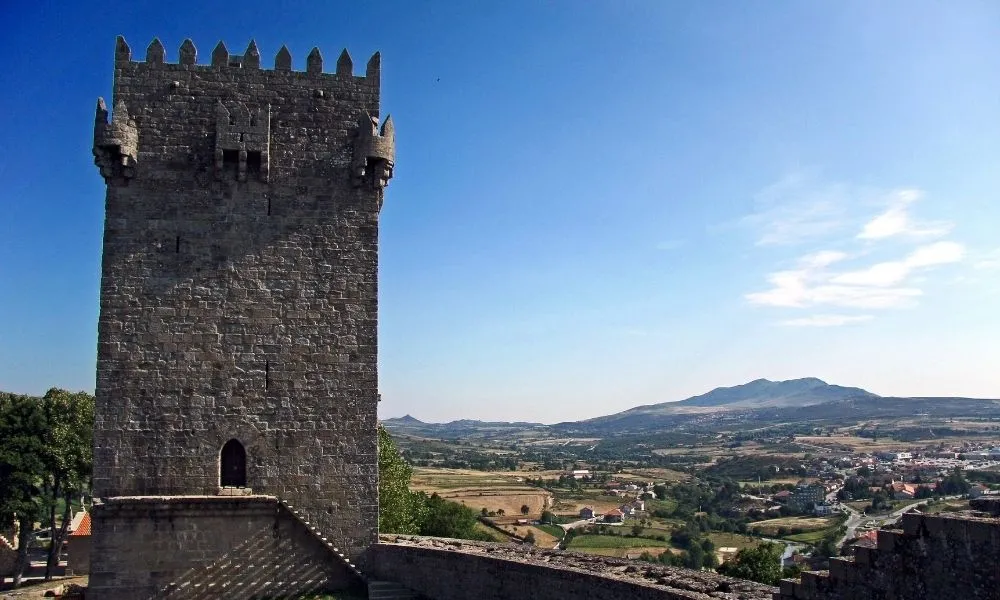
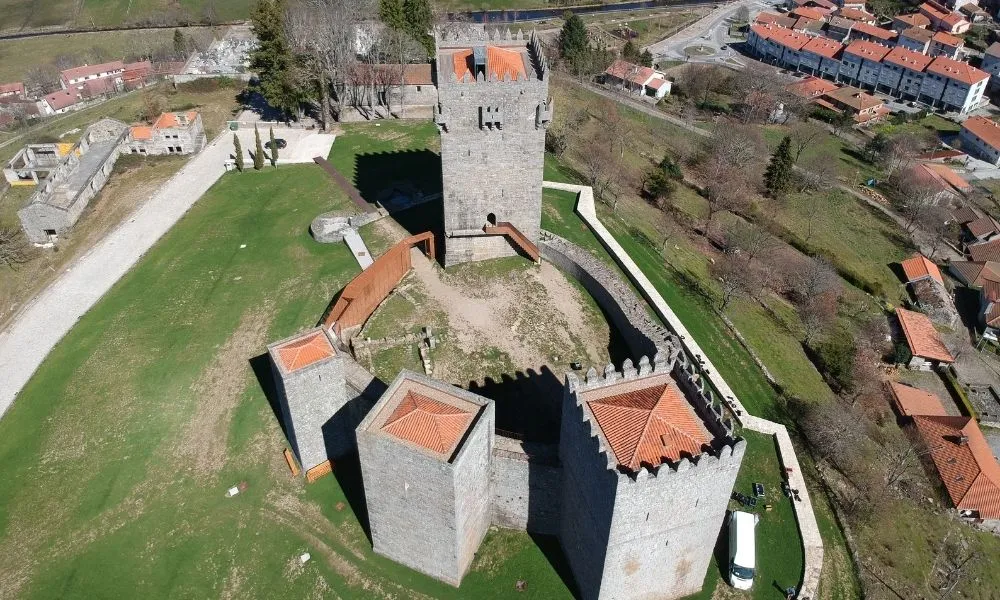
Located in the northern highlands of Portugal, Montalegre Castle occupies an elevated position above the surrounding landscape.
Its location was strategically important, providing visibility across the territory and helping protect routes near the northern frontier. The castle’s granite walls, towers, battlements, and keep demonstrate the defensive priorities of medieval architecture.
The central keep was an important part of the fortress, providing both defensive strength and a commanding position over the surrounding area.
Montalegre itself adds to the experience. The historic town retains traditional elements of northern Portuguese architecture, while the surrounding mountains and countryside provide a dramatic setting for the castle.
For visitors exploring the more remote parts of Northern Portugal, Montalegre offers an opportunity to combine medieval heritage with the region’s distinctive natural landscapes.
Guimarães Castle: A Landmark of Portuguese History
Guimarães Castle is one of Portugal’s best-known historic fortifications and an important landmark in the country’s national history.
The origins of the castle date back to the 10th century, although the structure developed considerably over subsequent centuries. Its history is closely associated with the formation of Portugal and the early Portuguese monarchy.
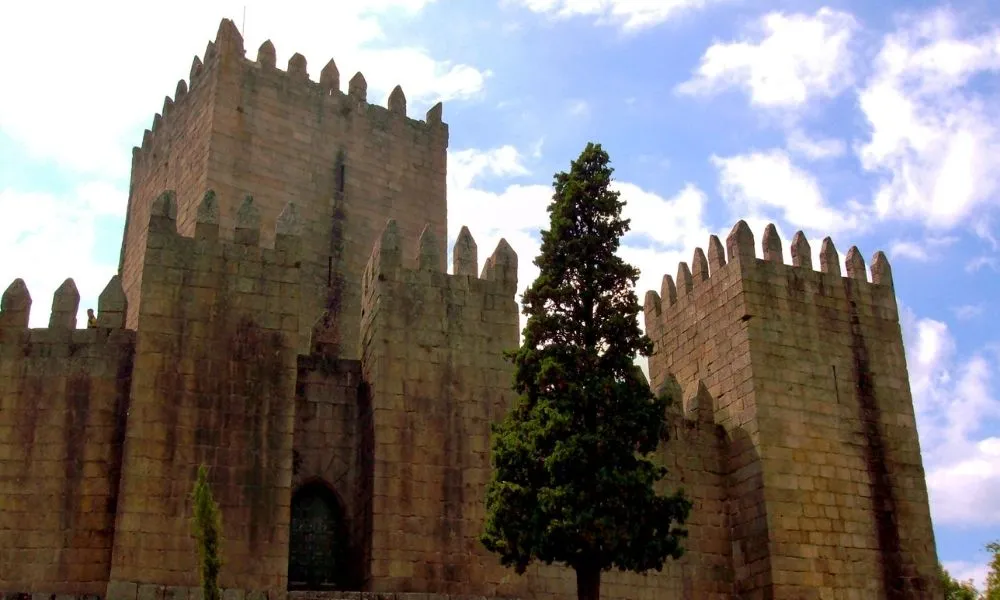
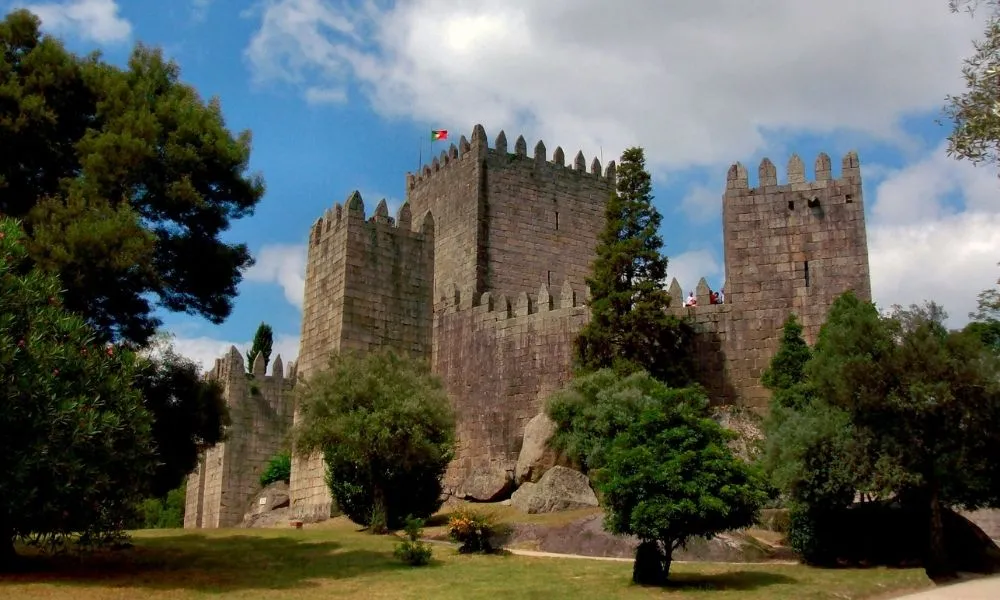
The castle’s granite walls, towers, battlements, and imposing keep reflect its medieval defensive purpose. Visitors can explore the grounds and walk along sections of the historic fortification while taking in views of the surrounding city.
Guimarães itself is a UNESCO World Heritage destination, making the castle an important part of a wider historic experience. The surrounding medieval streets, squares, churches, and traditional buildings make the city particularly rewarding for travellers interested in Portuguese heritage.
Castelo Dona Chica: A Different Kind of Castle
Near Braga, Castelo Dona Chica offers a very different interpretation of the castle.
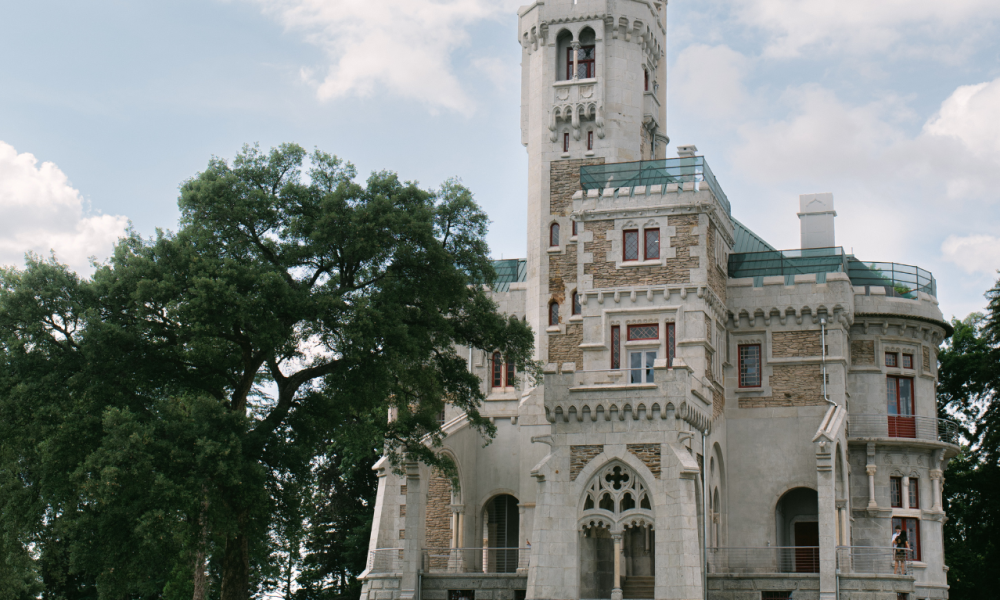
Rather than being a medieval fortress, the property was designed in the early 20th century as a grand residential estate inspired by historic European architecture.
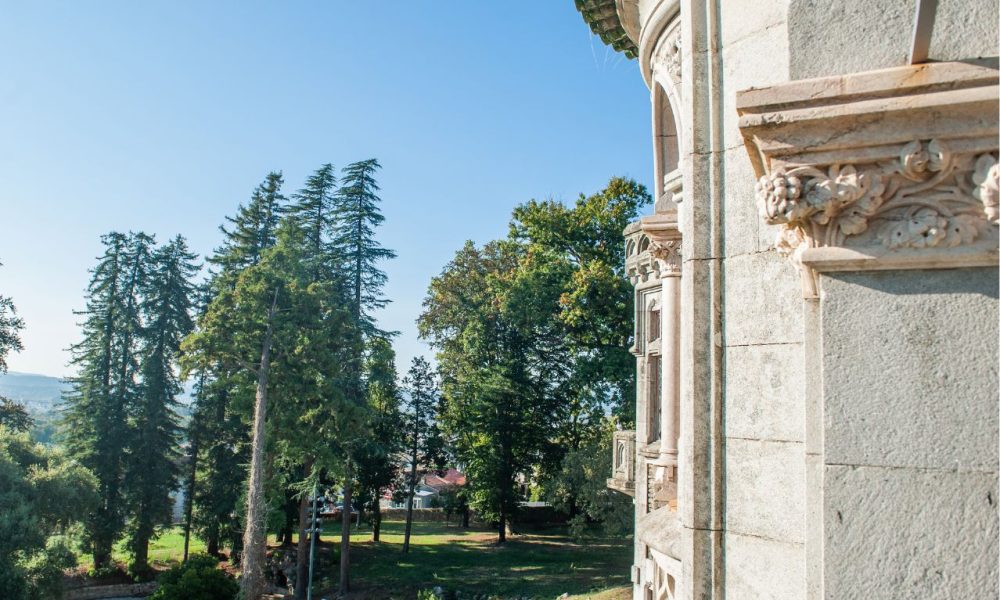
The project was conceived in 1915 by Swiss architect Ernesto Korrodi as a “Provincial Noble House”. Its architecture incorporates several influences, including Neo-Gothic, Art Nouveau, and Renaissance references.
This combination gives Castelo Dona Chica its distinctive character. Towers, decorative elements, stonework, and landscaped surroundings create an architectural composition inspired by the past while reflecting the tastes of its own period.
Its story also highlights an important aspect of heritage architecture: historic character does not always belong exclusively to medieval buildings.
Castelo Dona Chica represents a later interpretation of European architectural traditions and demonstrates how historical styles continued to influence architecture long after the medieval period.
Today, the property is being restored with the aim of preserving its architectural identity while giving the estate a meaningful contemporary purpose.
Its location near Braga makes it an interesting addition to an itinerary focused on Northern Portugal’s architectural heritage, particularly for visitors who want to discover something beyond traditional medieval fortresses.
The Lasting Cultural Value of Northern Portugal's Castles
Historic castles are more than architectural landmarks. They are part of the cultural landscape of Northern Portugal and help preserve connections to the region’s past.
They provide physical evidence of different periods in Portuguese history, from medieval conflicts and the development of the kingdom to later changes in architecture and heritage conservation.
Protecting Portugal’s Architectural Heritage
The preservation of historic buildings allows future generations to experience architectural heritage rather than simply reading about it.
Many castles and historic monuments are protected because of their cultural and architectural significance. Conservation work can include maintaining stone structures, restoring decorative features, protecting original architectural details, and managing the surrounding landscape.
Preservation is particularly important for buildings that have experienced significant changes throughout their history. Careful restoration can help retain their character while allowing them to remain relevant in the present day.
How Historic Castles Support Tourism
Historic architecture also plays an important role in attracting visitors to Northern Portugal.
Castles encourage travellers to explore smaller towns and destinations beyond the country’s major urban centres. They can become attractions in their own right while also supporting local restaurants, accommodation providers, cultural organisations, and other tourism businesses.
Today, restored historic properties may serve different purposes, including:
- Museums and heritage attractions
- Cultural event venues
- Wedding destinations
- Hotels and guest accommodation
- Spaces for private gatherings and celebrations
This combination of heritage and tourism can help historic buildings remain active parts of their communities.
Giving Historic Buildings a New Purpose
Preserving an historic property does not necessarily mean keeping it frozen in the past.
In many cases, finding an appropriate contemporary use is an important part of ensuring the long-term survival of a historic building. Hospitality, cultural programming, events, and private celebrations can help generate the resources needed for ongoing conservation.
This is particularly relevant to properties such as Castelo Dona Chica, where restoration provides an opportunity to protect architectural heritage while creating new experiences around the building.
For those looking for distinctive Cultural event venues, historic estates and castles can offer a setting that combines architecture, gardens, and a strong sense of place.
They can also provide memorable settings for celebrations and Wedding destinations, allowing important occasions to take place within buildings with a distinctive architectural story.
The key is finding a balance between preservation and modern use so that the character of the property remains central to its future.
Discovering Northern Portugal Through Its Castles
Exploring the castles and historic estates of Northern Portugal offers much more than a collection of impressive buildings.
Each property provides a different perspective on the region’s history. Montalegre demonstrates the defensive role of medieval fortifications, Guimarães connects architecture with the origins of the Portuguese nation, while Castelo Dona Chica illustrates how historic architectural styles continued to inspire new buildings centuries later.
Together, these destinations reveal the diversity of Northern Portugal’s architectural heritage.
Whether your interests lie in medieval history, architecture, cultural heritage, or simply discovering distinctive places around Braga and beyond, the castles of Northern Portugal are well worth adding to your travel plans.
Historic Castles in Northern Portugal FAQs
1. Why are castles important in Northern Portugal?
Castles played an important role in the defense of territories and settlements throughout Northern Portugal. They are also closely connected with the development of the Portuguese kingdom and remain important examples of the country’s architectural heritage.
2. Can visitors explore the castles in Northern Portugal?
Many historic castles are open to visitors, although opening arrangements vary between properties. Some are heritage attractions or museums, while others have been restored for cultural, hospitality, or private purposes.
3. Which castle is the most famous in Northern Portugal?
Guimarães Castle is one of the most famous castles in Northern Portugal. Its connection with the early history of Portugal and Afonso Henriques makes it particularly significant.
4. What architectural styles can be found in Portuguese castles?
Portuguese castles and historic estates can feature influences from several architectural periods, including Romanesque, Gothic, Manueline, and Romantic architecture. Some properties also combine elements from different periods as a result of later renovations or reinterpretations.
5. What is the best time to visit castles in Northern Portugal?
Spring and early autumn are generally comfortable times to explore Northern Portugal. The moderate weather is suitable for walking through historic sites, visiting surrounding towns, and exploring gardens and outdoor areas.

